
Friday, 7 August 2026
SHAKESPEARE IN POPULAR CULTURE

https://notesread.com/why-is-shakespeare-still-relevant-today/
https://www.oxfordscholastica.com/blog/creative-writing-articles/why-is-shakespeare-still-important/
https://www.abc.net.au/education/btn-why-shakespeare-is-still-relevant-today/13924758
Tuesday, 14 July 2026

Saturday, 6 June 2026

Sunday, 31 May 2026
EXTENSIVE READING

Extensive reading is an approach to second language teaching and learning which can help students to read more. Read here.
Thursday, 21 May 2026

Tuesday, 19 May 2026
GEORGE ORWELL - 5^C LINGUISTICO

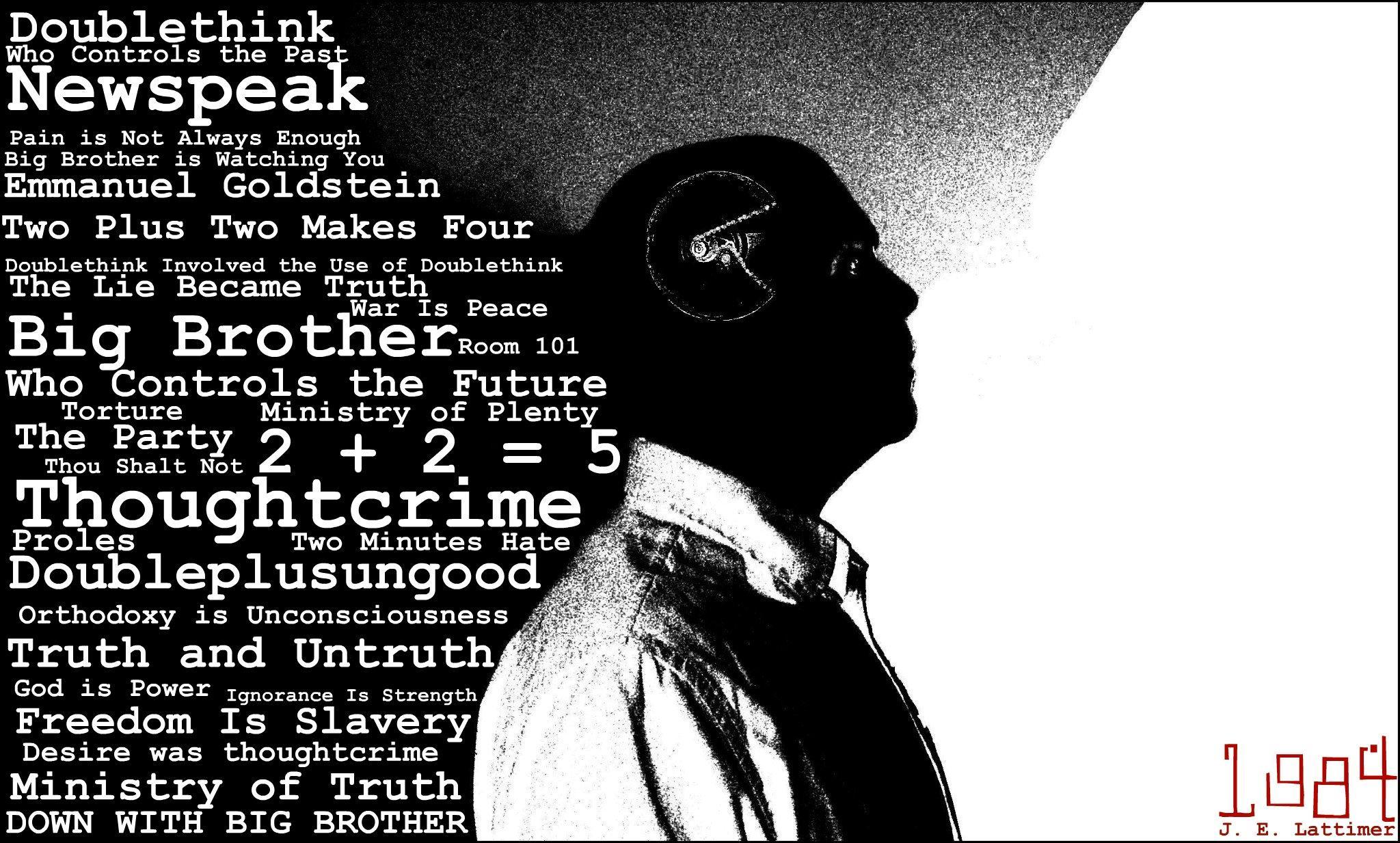
George Orwell was born Eric Arthur Blair on 25 June 1903 in eastern India, the son of a British colonial civil servant. He was educated in England and, after he left Eton, joined the Indian Imperial Police in Burma, then a British colony. He resigned in 1927 and decided to become a writer. In 1928, he moved to Paris where lack of success as a writer forced him into a series of menial jobs. He described his experiences in his first book, Down and Out in Paris and London, published in 1933. He took the name George Orwell, shortly before its publication. This was followed by his first novel, Burmese Days, in 1934.
An anarchist in
the late 1920s, by the 1930s he had begun to consider himself a socialist. In
1936, he was commissioned to write an account of poverty among unemployed
miners in northern England, which resulted in The Road to Wigan Pier (1937).
Late in 1936, Orwell travelled to Spain to fight for the Republicans against
Franco's Nationalists. He was forced to flee in fear of his life from
Soviet-backed communists who were suppressing revolutionary socialist
dissenters. The experience turned him into a lifelong anti-Stalinist.
Between 1941 and
1943, Orwell worked on propaganda for the BBC. In 1943, he became literary
editor of The Tribune, a weekly left-wing magazine. By now he was a prolific
journalist, writing articles, reviews and books.
In 1945,
Orwell's Animal Farm was published. A political fable set in a
farmyard, but based on Stalin's betrayal of the Russian Revolution, it made
Orwell's name and ensured he was financially comfortable for the first time in
his life. Nineteen Eighty-Four was published four years later.
Set in an imaginary totalitarian future, the book made a deep impression, with
its title and many phrases - such as "Big Brother is watching you", "newspeak" and "doublethink" - entering popular use. By now Orwell's health was
deteriorating and he died of tuberculosis on 21 January 1950.
Tuesday, 31 March 2026
HAMNET - 4^C LINGUISTICO


From Academy Award® winning writer and director Chloé Zhao, Hamnet tells the powerful story of love and loss that inspired the creation of Shakespeare's timeless masterpiece, Hamlet.
Adapted from Maggie O’Farrell’s novel, this film is not a re-enactment of Shakespearean lore or a behind the scenes look at the creation of Hamlet. It is instead a visceral meditation on parenthood, loss, and the mysterious alchemy through which tragedy becomes art. Read here.
https://www.nytimes.com/2025/11/26/movies/hamnet-review.html
https://thefilmstage.com/telluride-review-chloe-zhaos-hamnet-reminds-us-why-art-matters/
https://edwarddouglas.substack.com/p/hamnet-review
Monday, 30 March 2026
ROBIN HOOD - 3^C LINGUISTICO

According to the legend, Robin Hood was an outlaw living in Sherwood Forest with his Merry Men, he stole from the rich and gave to the poor – but did he really exist and if so, how much of the legend is true? Read here.
Sunday, 29 March 2026
THE LEGEND OF KING ARTHUR - 3^C LINGUISTICO

King Arthur, the mythological figure associated with Camelot, may have been based on a 5th to 6th century British warrior who staved off invading Saxons. Read here.
Sir Thomas Malory was an English writer whose identity remains uncertain, but whose name is famous as that of the author of Le Morte Darthur, the first prose account in English of the rise and fall of the legendary king Arthur and the fellowship of the Round Table.
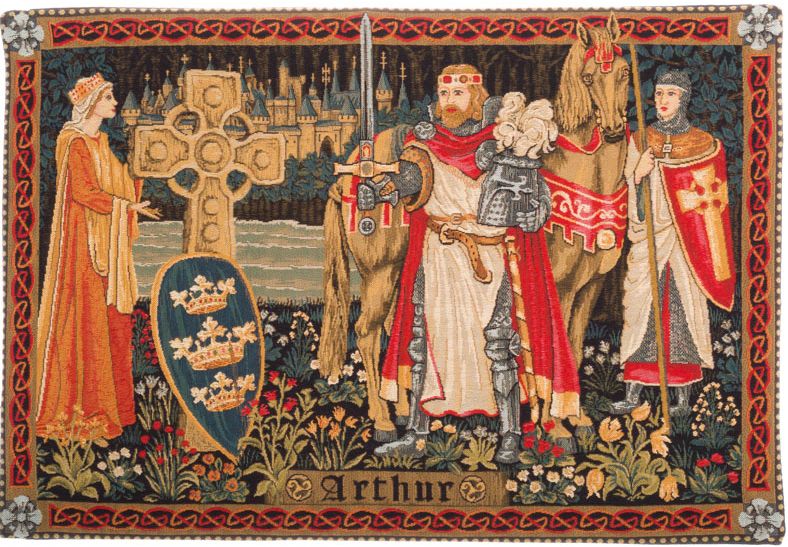
Arthur was the first born son of King Uther Pendragon and heir to the throne. However these were very troubled times and Merlin, a wise magician, advised that the baby Arthur should be raised in a secret place and that none should know his true identity. Continue reading here.
Saturday, 28 March 2026
BEOWULF - 3^C LINGUISTICO

Monday, 2 March 2026
ENGLISH LITERATURE LESSONS

Why is English literature so important in schools? Read here.
Here you can find several useful videos dedicated to English literature.
Friday, 27 February 2026
ON THE BASIS OF SEX

On
the Basis of Sex opened in the way any movie about female empowerment might: a
hopeful and determined young woman marching towards her future as her heels
click against the pavement.
That young woman
was Supreme Court Justice and women’s rights advocate Ruth Bader Ginsburg
(Felicity Jones). She was on her way to her welcoming ceremony at Harvard Law
School in 1955. Ginsburg looked around, realizing she was one of nine women in
her class, solidifying her isolation as a woman at Harvard Law.
This, among other
incidences of thinly veiled and blatantly put gender discrimination, defined
Ginsburg’s struggle throughout the movie. She is questioned, criticized and
patronized during nearly every move she tries to make in the film, just as the
real Ginsburg is in her own life and career.
The climax of the
film appeared after her time at Harvard with the case of Moritz v. Commissioner
of Internal Revenue. In the case, a man was denied tax provisions to support
the costs of hiring an in-home nurse for his sick mother simply because he was
unmarried. Ginsburg saw this opportunity to show how gender discrimination
could impact men and took on the case alongside her husband, Marty (Armie
Hammer), now a tax attorney, and the American Civil Liberties Union.
Here, the movie
did the best job of making an entertaining story out of the life of an
attorney. Despite the weight and symbolism behind this case, most would have
been bored by the legal formalities of court proceedings themselves. To counter
this, the movie picked up on the drama, and included a few typical tropes to
keep viewers going. These ranged from “evil lawyers plot someone else’s demise
in a dark room filled with cigar smoke” to “protagonist endearingly practices
speech in front of a mirror before big events,” and showed us the magnitude of
the variety of challenges she faced.
What Ginsburg did
for women across America was give the persona of justice in a two hour film.
Ginsburg’s work is ongoing, and it was a much better move to show the American
people where the story of one of their role models began, which this movie did
beautifully.
Monday, 16 February 2026

Thursday, 12 February 2026

Saturday, 7 February 2026
INSIGHT INTO THE VICTORIAN AGE - 5^C LINGUISTICO


The Victorian period in
Great Britain (1837-1901) was one of political stability, huge
industrial and technological change, major economic development, prosperity,
optimism and faith in progress as well as poverty and social unrest, shocking
divisions between the rich and the poor, and grand attempts to combat squalor
and disease.
Click here to download a PDF presentation.
Saturday, 24 January 2026
JANE AUSTEN'S PRIDE AND PREJUDICE

Pride and Prejudice is one of the most popular novels in the English language. Over 200 years after its publication, it continues to win the hearts and minds of readers around the world, thanks to its delightful heroine, unforgettable cast of comic characters, witty dialogue, and satisfying romantic plot.
Read here.
Wednesday, 7 January 2026

Tuesday, 6 January 2026
STUDYING A CHRISTMAS CAROL - 3^C LINGUISTICO

Charles Dickens’s A Christmas Carol, published on 19 December 1843, met with instant success and critical acclaim. It tells
the story of a bitter old miser named Ebenezer Scrooge and his
transformation into a gentler, kindlier man after visitations by the ghost of
his former business partner Jacob Marley and
the Ghosts of Christmas Past, Present and Yet to Come.
After celebrating the
joy and charity of Christmas, A Christmas Carol is above all a
condemnation of 19th-century Victorian England's division between the rich and the poor. London was a great world power, rich from industry and colonial
influence, yet poverty devastated its streets and factories. Continue reading here.
Sunday, 4 January 2026
BRIGHT STAR - 5^C LINGUISTICO

"Bright Star" is a sonnet written by the Romantic poet John Keats as a homage to his beloved Fanny Brawne.
It is primarily made up of two analogies. The first analogy is a negative one, where the poet describes the aspect of the star that he doesn’t wish to resemble. The second analogy is a positive one, where the poet explains the aspect of the star that he aspires to be like — namely, steadfast loyalty to his beloved.
https://www.eminentediting.com/post/bright-star-by-john-keats-analysis