Beauty and the Beast is a traditional fairy
tale written by French novelist Gabrielle-Suzanne
Barbot de Villeneuve and published in 1740.
A widowed merchant
lives in a mansion with his six children, three sons and three daughters. All
his daughters are very beautiful, but the youngest, Beauty, is the most lovely,
as well as kind, well-read, and pure of heart; while the two elder sisters, in contrast,
are wicked, selfish, vain, and spoiled.
Continue listening and reading this fascinating story ...
Hamlet is
generally considered the greatest revenge tragedy, if not the greatest tragedy,
if not the greatest play, ever written. The central reason for the play's reputation is the
character of Hamlet. His brooding (=gloomy), unpredictable nature has
been analysed by many of the most famous thinkers and artists of the past
four centuries. Johann Wolfgang von Goethe described him as a poet - a
sensitive man who is too weak to deal with the political pressures of
Denmark.
The story of the play originates in
the legend ofHamletas recounted in the 12th-centuryDanish History,a Latin text by Saxo the Grammarian.
Shakespeare was probably aware of this version, together with another play
performed in 1589 in which a ghost apparently calls out, "Hamlet,
revenge!" The 1589 play is lost, but most scholars attribute it to Thomas
Kyd, author ofThe Spanish Tragedyof 1587.The Spanish Tragedyshares many elements withHamlet, such as a ghost seeking revenge, a secret
crime, a play-within-a-play, a tortured hero who feigns madness, and a heroine
who goes mad and commits suicide.
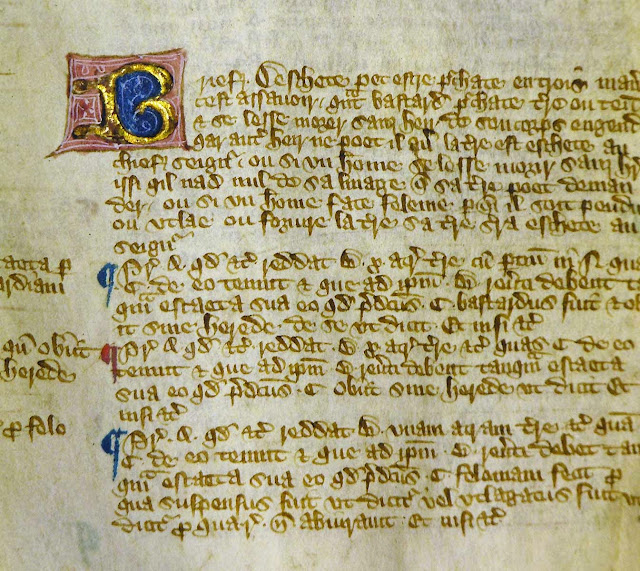
Signed in June 1215 between the barons and King John, "Magna Carta" is Latin and means “Great Charter”. It was one of the most important documents of Medieval England. Read here and here. Here you can find a PDF presentation of Magna Carta.
The Reform Bill of 1832
gave the middle class the political power it needed to strengthen the economic
position it had already achieved. Industry and commerce flourished. While the wealth
of the middle class increased, the lower classes, thrown off their land and
into the cities to form the great urban working class, lived ever more miserably.
The social changes were so fast and brutal that intellectuals rapidly gave way
to attempts either to justify the new economic and urban conditions, or to
change them. The artists of the age had to deal in some way with the upheavals (=disorders) in society, the evident injustice of affluence (=wealth) for a few and squalor for many,
and, emanating from the throne of Queen Victoria (1837-1901), an emphasis on
public rectitude and moral propriety.
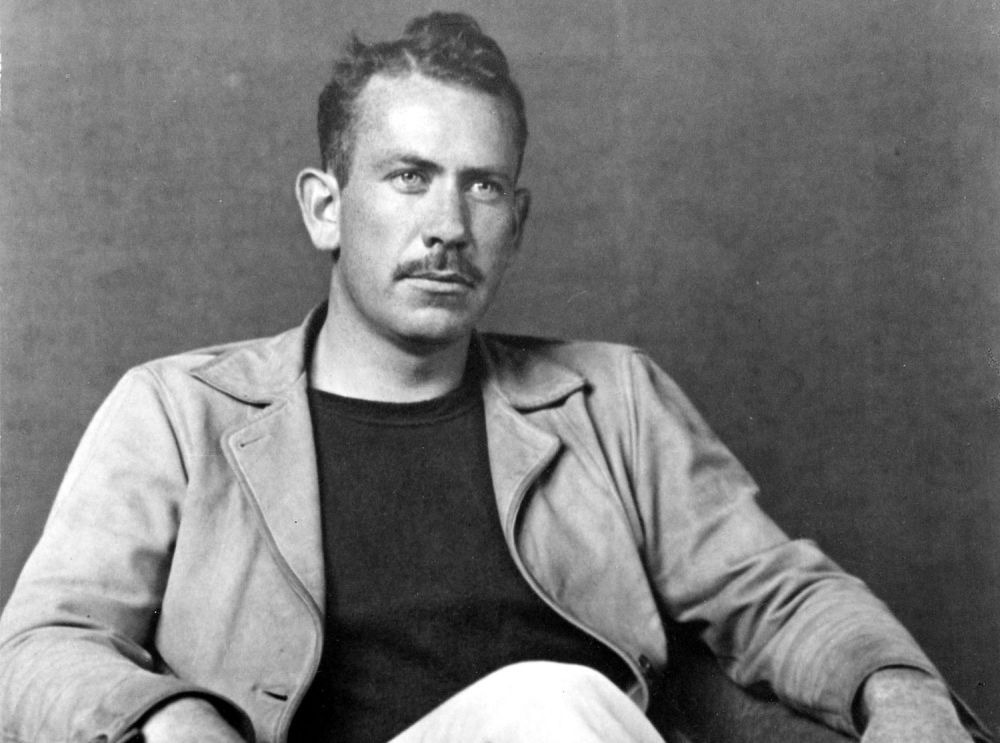
John Steinbeck, American author and winner of the Nobel Prize in 1962, was a leading writer of novels about the working class and was a major spokesman for the victims of the Great Depression in the 1930s, during which time millions of people lost their jobs.
He was born in Salinas, California, on 27 February 1902.
He was the type of author who liked to know his material firsthand. He didn't want to narrate a story which had no basis in fact. Thus, many of his works take place in California, where he lived, and they deal with subjects which he thoroughly understood. Within his novels are characters who seem to breathe the very reality of life itself. Read here.
Here you can find my previous post about Beowulf, the longest epic poem in Old English, the language spoken in Anglo-Saxon England before the Norman Conquest. More than 3,000 lines long, Beowulf relates the exploits of its hero, and his successive battles with a monster named Grendel, with Grendel’s revengeful mother, and with a dragon which was guarding a hoard of treasure. Here you can download a PDF presentation.
It is to be noted that there are many similarities between J.R.R. Tolkien's The Lord of the Rings and Beowulf.
Tolkien uses many concepts found in Beowulf. In fact, he was a professor of Anglo-Saxon, and an expert on the Anglo-Saxon epic poem. Read here.
Here and here you can find my previous posts about this delightful Shakespearean play. You can read The Tempesthere and you can find a fascinating interpretation of the play here - it contains echoes of Shakespeare’s
earlier plays, and the powerful art that Prospero possesses can be compared to the playwright’s theatrical
art.