
Showing posts with label Grammar. Show all posts
Showing posts with label Grammar. Show all posts
Sunday, 16 March 2025

Saturday, 8 October 2022

Monday, 6 June 2022

Tuesday, 16 November 2021
Friday, 30 April 2021
FUTURE IN THE PAST

There are several constructions that are used to describe thoughts about the future that someone had at some point in the past. Read here and here.
https://grammartop.com/future-in-the-past/
https://magoosh.com/english-speaking/future-in-the-past-tense/
https://www.bbc.co.uk/learningenglish/course/towards-advanced/unit-15/session-1
Thursday, 8 April 2021

Friday, 27 November 2020

Wednesday, 30 September 2020


Sunday, 6 September 2020
IMPROVING YOUR ENGLISH

On www.test-english.com you will find lots of free practice tests and materials to help you improve your English skills and be more prepared for your English exams.
Here you can read a very interesting blog post!
Here you can read a very interesting blog post!
Tuesday, 9 June 2020
SUMMER HOMEWORK

Finally, summertime is here!
I hope you have a safe and relaxing time while you are
on holiday … but don’t forget to do your English homework! Please engage in some grammar
and reading activities over the summer.
All assignments are linked here.
Sunday, 24 May 2020

Tuesday, 31 March 2020
BE GOING TO + INFINITIVE
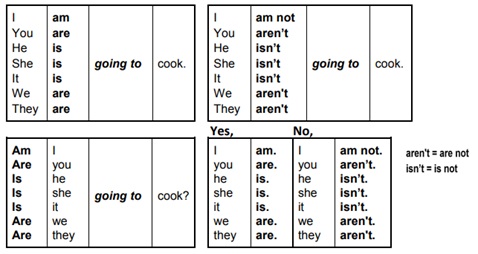
We can express the future with BE GOING TO +
infinitive.
Here are some examples to make
sure this is clear:
- I’m going to see a play tonight.
- It's late so I don't think he's going to
do his work tonight.
- Look at those clouds. It's going to
rain soon.
- My favourite team is going to
play tomorrow evening.
To form questions, we invert the subject (e.g, I,
you) and "is/am/are." If we use a wh- question word, we insert it at
the beginning of the sentence:
- Who is going to read the next paragraph?
- Are you going to speak at the conference?
- What is she going to cook for dinner?
- Are they going to sleep all day?
- Where is your brother going to sleep when
he visits you?
The structure BE GOING TO is normally
used to indicate the future but with some type of connection to the
present.
We use it in the following situations:
1. When we intend / plan to do something in the future.
The decision has been made before the moment of
speaking.
- They're going to retire to the beach - in
fact they have already bought a little beach house.
- I'm going to accept the job offer.
- Next week I'm going to start a new
diet.
- Are you going to come to my party
tomorrow?
2. When there are definite signs that something is going to
happen.
Something is likely to happen based on the evidence
or experience you have.
- I think it is going to rain - I just
felt a drop!
- I don't feel well! I think I'm going
to throw up (= vomit).
- I got a D on my exam. My parents are
going to kill me!
3. When
something is about to happen:
- Get back! The bomb is going
to explode.
- Look out! That car is going to overtake.
Monday, 11 November 2019

Sunday, 22 September 2019
BACK-TO-SCHOOL ACTIVITIES

Lots of activities for the first days of school and ideas for all year as well as
tons of grammar and vocabulary exercises here and here.
Friday, 7 June 2019
SUMMER HOMEWORK - 1^C LINGUISTICO

Friday, 3 May 2019
PRESENT PERFECT CONTINUOUS
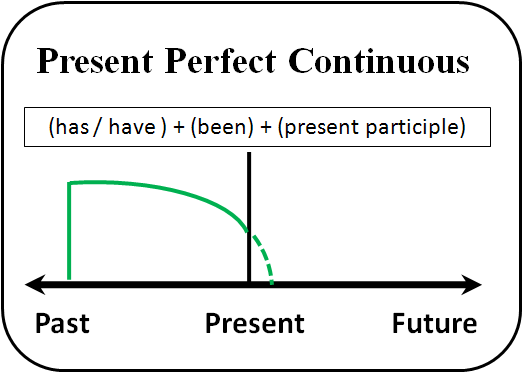
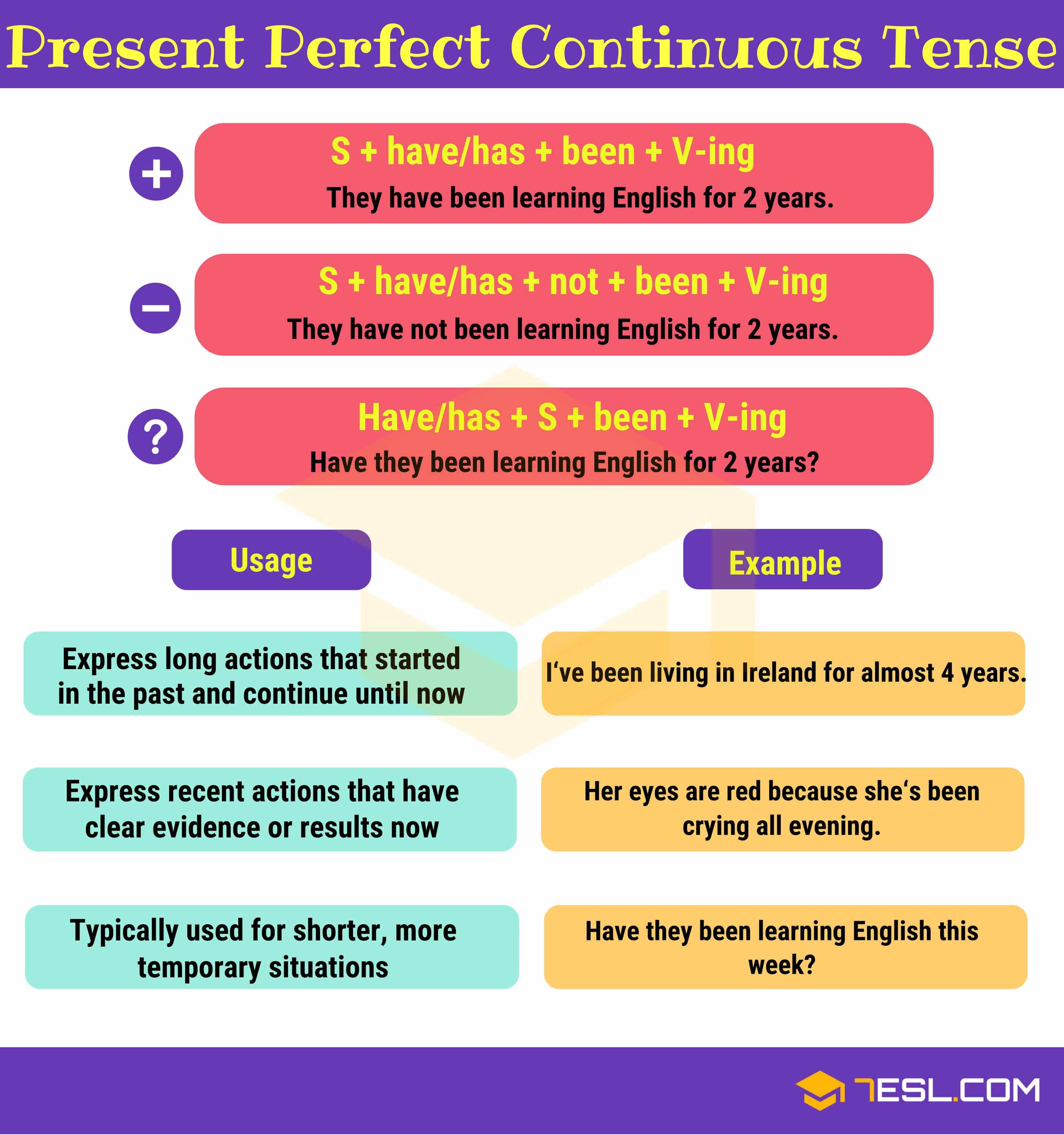
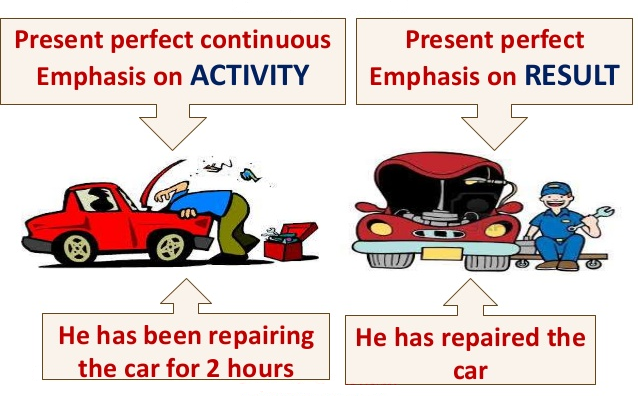
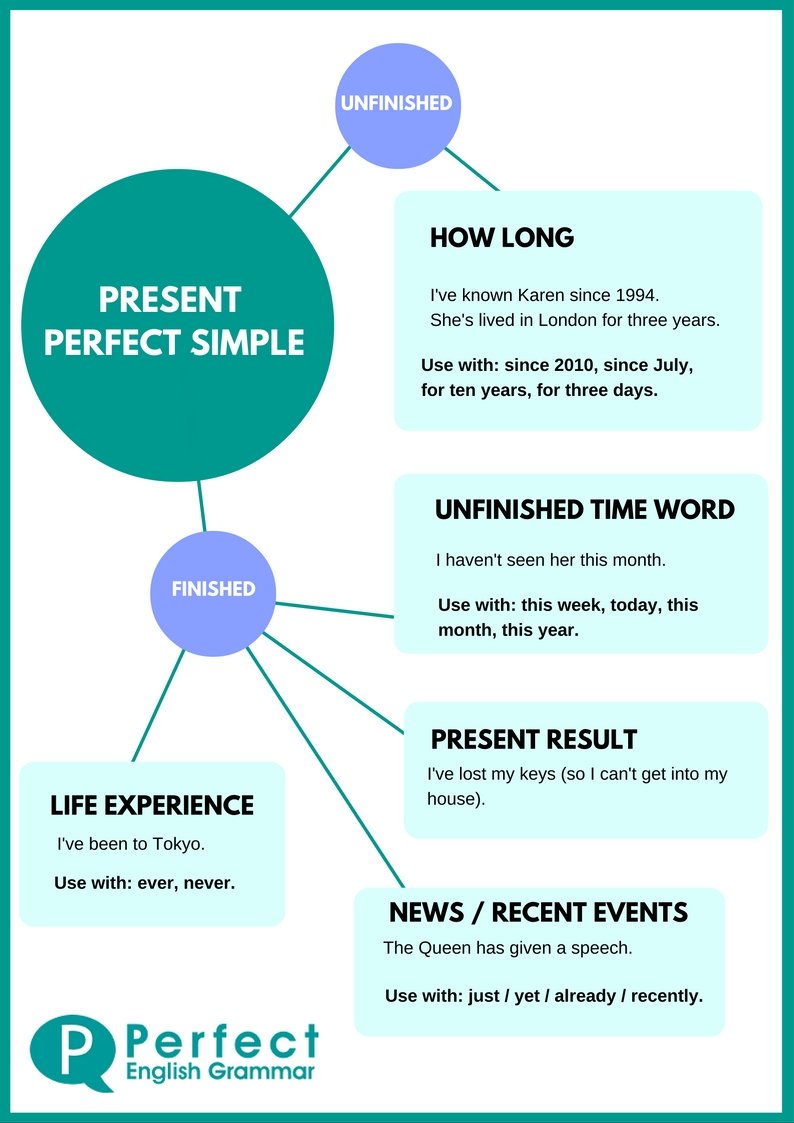
The Present Perfect Simple suggests completion while the Present Perfect Continuous suggests something is unfinished. Read more here.
Saturday, 16 February 2019

Saturday, 15 December 2018
Sunday, 25 November 2018
OPPOSITE ADJECTIVES - 1^C LINGUISTICO


Wednesday, 21 November 2018

Subscribe to:
Posts (Atom)