Here and here you can find a text analysis of Sonnet 60 in which the poet warns about the destructive power of time and ponders on the
role of art.
Wednesday, 8 November 2017
Sunday, 5 November 2017
MY SUNDAY MOVIE - SECRET SUMMER
Secret Summer is a fun family movie which was released just in time for the 2016 summer season. It tells the story of writer Jake Kenman who wants to quietly research his current work-in-progress over the summer. But after receiving an unexpected request to watch his niece and nephew for the summer, he decides to alter his original plans. Continue reading here.
Tuesday, 31 October 2017
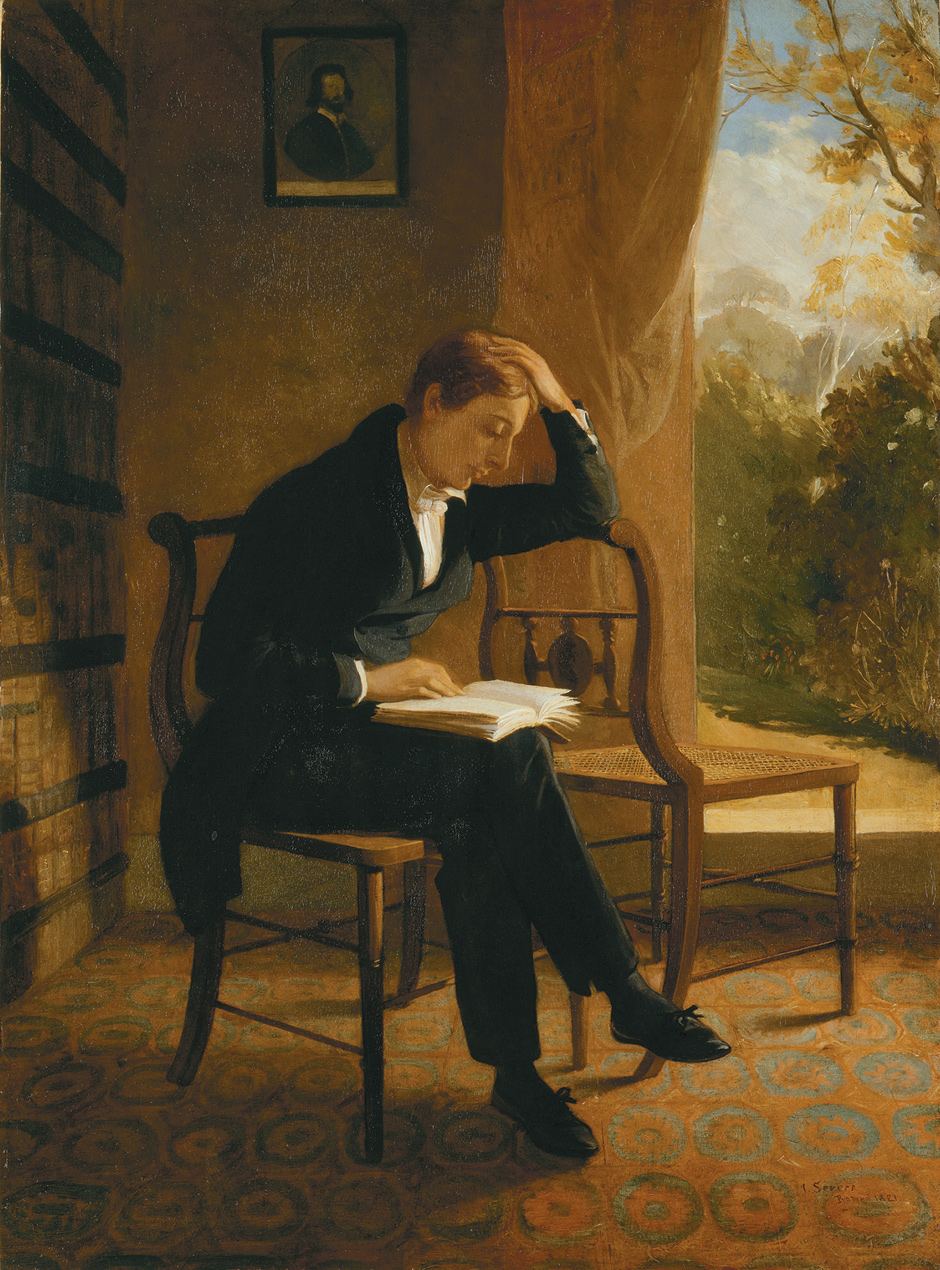
HAPPY BIRTHDAY, JOHN KEATS!

John Keats was born on 31 October
1795 in London. In spite of his death at the
age of 25, he is one of the greatest English poets and a key figure in the
Romantic movement. Read here.
Labels:
5^C Linguistico,
John Keats,
Literature,
Poetry,
The Romantic Age
Monday, 16 October 2017
HAPPY BIRTHDAY, OSCAR WILDE!
Oscar Wilde was born in Dublin on 16 October 1854. He became involved in the Aesthetic
Movement while studying at Magdalen College in Oxford, and went on to become one of the century’s most brilliant poets, playwrights and essayists.
He transgressed
the oppressive boundaries of Victorian society and lived a full life, even
after his reputation was ruined when his sexual orientation came to
light. Read here.

Sunday, 15 October 2017
DISCOVERING ELIZABETHAN ENGLAND
Today let's watch an insightful documentary on Elizabethan England. Click here.
Saturday, 14 October 2017
THE RENAISSANCE ~ DAWN OF A NEW AGE

The Renaissance was a period in European history, from the 14th to the 17th century, regarded as the cultural bridge between the Middle Ages and modern history. It started as a cultural movement in Italy in the Late Medieval period and later spread to the rest of Europe, marking the beginning of the Early Modern Age. Read here.
Here you can find my previous post about the Renaissance.
Friday, 6 October 2017
Saturday, 30 September 2017
TRUMAN CAPOTE'S BREAKFAST AT TIFFANY’S

Born in
New Orleans, Louisiana, on September 30, 1924, Truman Capote went on to become
a professional writer, making waves with his debut novel Other Voices, Other Rooms. His novella Breakfast at Tiffany’s (1958) was
adapted into a popular film, and his book In Cold Blood (1966) was a pioneering form of narrative non-fiction.
Capote spent his later years pursuing celebrity and struggled with drug
addiction. He died in 1984 in Los Angeles, California. Read here.
Wednesday, 27 September 2017
DO vs. MAKE
Do and Make are two verbs which frequently confuse students.
In order to learn about the difference between them and when to use each one, make sure that you read here and
do some exercises here!
Labels:
3^C Linguistico,
4^C Linguistico,
do vs. make,
Grammar,
Language
Tuesday, 19 September 2017
ITALO CALVINO
On September 19 1985 Italo Calvino died at his home in Tuscany of a cerebral haemorrhage. Many Italians felt they had lost a literary friend; messages of condolence came from the Vatican and the President of the Republic, while Umberto Eco’s front-page obituary in the Corriere della Sera almost overshadowed news of the Mexican earthquake. In the same paper, John Updike lamented that “world literature had been deprived of its most refined and civil voice”. Reportedly, Italo Calvino had planned to write 14 more books; he was only 62. Read here.
Here you can read the translation of a famous article in which Italo Calvino explains why it is important to read the classics.
During the last quarter century Italo Calvino has advanced far beyond his American and English contemporaries. As they continue to look for the place where the spiders make their nests, Calvino has not only found this special place but learned how himself to make fantastic webs of prose to which all things adhere.
Monday, 18 September 2017
WILLIAM HOGARTH AND HIS TIMES
William Hogarth's Gin Lane is one of his
best-known works of engraved art. Along with its companion, Beer Street, Gin Lane addressed a
serious problem in mid-18th century England - the abuse of spirits (= strong alcoholic drinks such as whiskey and gin) by
the working classes and the poor. In the right foreground a skeletal
ballad singer has just died. His left hand still clutches his bottle. A drunken
woman is taking her snuff while her neglected baby falls to his death in
front of the Gin Royal Tavern. Behind the wall a man and his dog fight for a
bone. Further back, a man pawns his coat and saw and his wife her kitchen
tools for some more drinks. The pawn broker is properly named, "S.
Gripe" (= complaint, affliction). Both his comfortable home and rich
clothes stand in contrast to the devastation around. Only pawn brokers, coffin
makers and distillers profit in such a society.
Continue
to read here.
Friday, 15 September 2017
TYPES OF NOVELS

The novel is an extended work of
prose fiction. It derives from the Italian novella
(“little new thing”), which was a short piece of prose. The novel has become a
popular form of fiction since the early 18th century, even if prose narratives
were written long before then. The term refers to a prose narrative about
characters and their actions in what is recognisably everyday life. This
differentiates it from its immediate predecessor, the romance, which describes
unrealistic adventures of supernatural heroes. The novel has developed various
sub-genres. Read here and here.
You can also read this post about the various genres of fiction.

Subscribe to:
Posts (Atom)