
Saturday, 1 October 2022

Monday, 26 September 2022
THE ROMANTIC AGE - 5^C LINGUISTICO

The Romantic period began roughly around 1798 and lasted until 1837. The political and economic atmosphere at the time heavily influenced this period, with many writers finding inspiration from the French Revolution. There was a lot of social change during this period. Calls for the abolition of slavery became louder during this time, with more writing openly about their objections. After the Agricultural Revolution people moved away from the countryside and farmland and into the cities, where the Industrial Revolution provided jobs and technological innovations. Romanticism was a reaction against this spread of industrialism, as well as a criticism of the aristocratic social and political norms and a call for more attention to nature.
Click here to read my previous post about the Romantic Age.
Tuesday, 13 September 2022
GEORGIAN ENGLAND

The Georgian period saw Britain establish itself as an international power at the centre of an expanding empire. Accelerating change from the 1770s onwards made it the world’s first industrialised nation.
It ran from 1714 to 1837, ending when Queen Victoria ascended to the throne. Read here.
Thursday, 8 September 2022
QUEEN ELIZABETH II HAS DIED

“The Queen died peacefully at Balmoral this afternoon,” Buckingham Palace said in a statement. “The King and The Queen Consort will remain at Balmoral this evening and will return to London tomorrow.” Read here.
"Deeply saddened by the passing of Her Majesty Queen Elizabeth II.
Her Majesty was the very heart and soul of the United Kingdom.
Her Majesty’s reign saw one of the longest periods of peace and prosperity in the history of the United Kingdom. Throughout her life, she steadfastly served the United Kingdom and the Commonwealth. She performed her duties with devotion, grace, and humility. Her contributions to the United Kingdom, the Commonwealth, and indeed to the world will be recorded in history, and she will always be remembered fondly as a great world leader."
Singapore's Prime Minister Lee Hsien Loong
Thursday, 1 September 2022

Wednesday, 8 June 2022

Monday, 6 June 2022

Sunday, 5 June 2022
RAY BRADBURY'S FAHRENHEIT 451
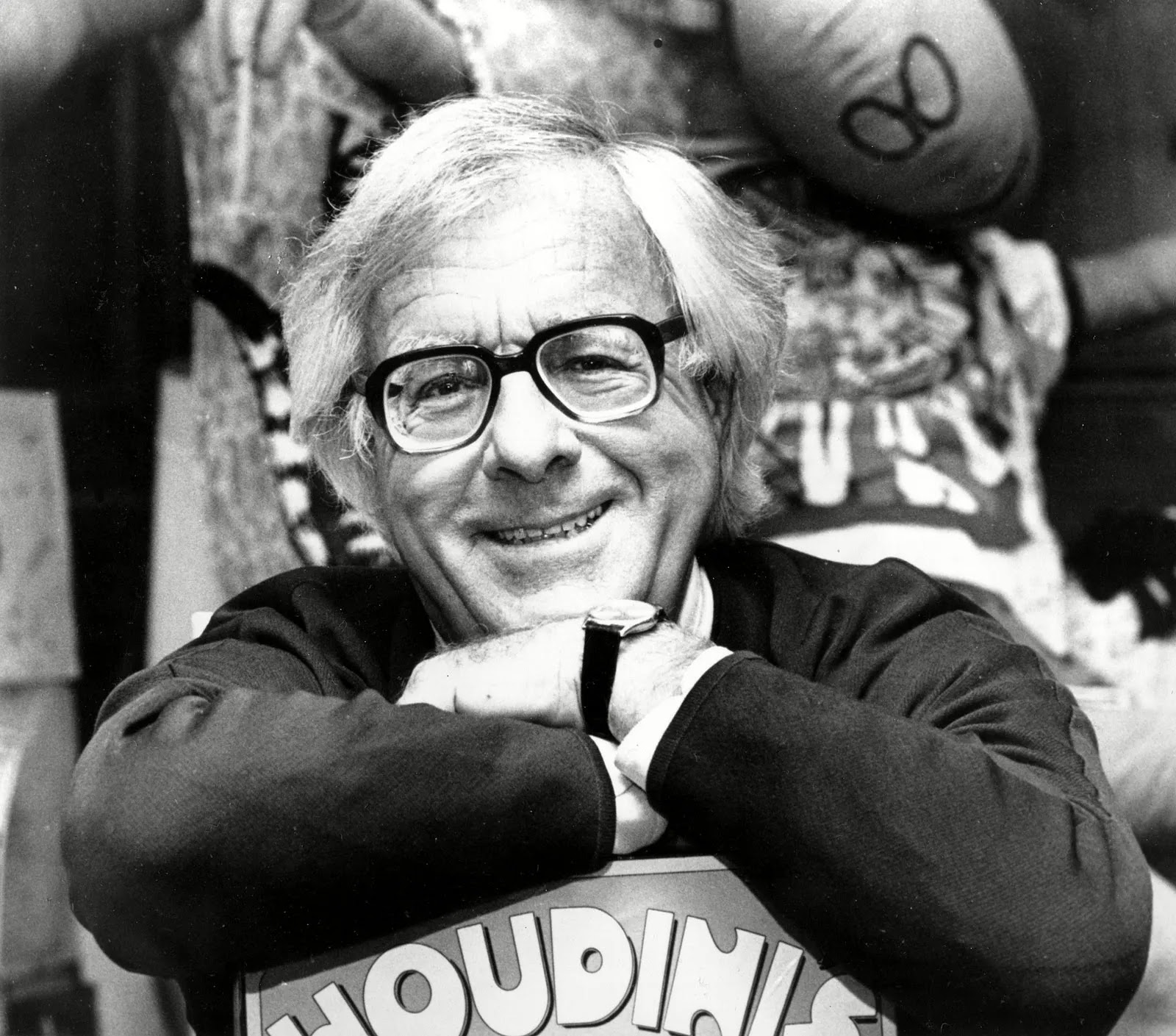
Widely known for his dystopian novel Fahrenheit 451 (1953), Ray Bradbury died on 5 June 2012. He was an American author best known for his highly
imaginative short stories and novels that blend a poetic style, nostalgia for childhood, social criticism, and an awareness of the hazards of runaway technology.
Read here.
https://literarydevices.net/ray-bradbury/
Saturday, 4 June 2022

Thursday, 19 May 2022
VIRGINIA WOOLF AND "MRS DALLOWAY"

"Absorbing, mysterious, of infinite richness, this life."
As Virginia Woolf commented, "In this book I have almost too many ideas. I want to give life and death, sanity and insanity; I want to criticize the social system, and to show it at work, at its most intense." Furthermore, she hoped to respond to the stagnant state of the novel, with a consciously "modern" novel. Many critics believe she succeeded. The novel was published in 1925, and received much acclaim.
Wednesday, 11 May 2022
SOLDIER'S DREAM

I dreamed kind Jesus fouled the big-gun gears;
And caused a permanent stoppage in all bolts;
And buckled with a smile Mausers and Colts;
And rusted every bayonet with His tears.
And there were no more bombs, of ours or Theirs,
Not even an old flint-lock, not even a pikel.
But God was vexed, and gave all power to Michael;
And when I woke he'd seen to our repairs.
Wilfred Owen [1893-1918] was a remarkable young man. When he died he was just 25 years old, but his poetry has proved enduring and influential and is among the best known in the English language. He left behind a unique testament to the horrific impact of the First World War on an entire generation of young people.
Here you can find a text analysis of this poem.
Sunday, 17 April 2022

Friday, 8 April 2022
HAMLET - 4^C LINGUISTICO

There are more things in
heaven and earth, Horatio,
Than are dreamt
of in our philosophy.
(Hamlet, Act 1 Scene 5)
Friday, 1 April 2022

Thursday, 31 March 2022
MUCH ADO ABOUT NOTHING - 4^C LINGUISTICO

Now let's watch the light-hearted film Much Ado About Nothing (1993), a spirited, winningly acted rendition of one of the Bard's most popular comedies.
Subscribe to:
Posts (Atom)