
Sunday, 28 June 2015

Sunday, 21 June 2015
Saturday, 20 June 2015
II PROVA SCRITTA ESAMI DI STATO

Last Thursday my students of 5^C Liceo Linguistico took an English test on the day of their II Prova Scritta.
It included a text analysis and a composition, but they could choose among four different articles. I must admit that all of them were quite interesting and understandable.
Here you can download them.
Here you can download them.
Monday, 15 June 2015

Sunday, 14 June 2015



Thursday, 11 June 2015
TELLING THE TIME - 1^C LINGUISTICO

Monday, 1 June 2015
JUNE
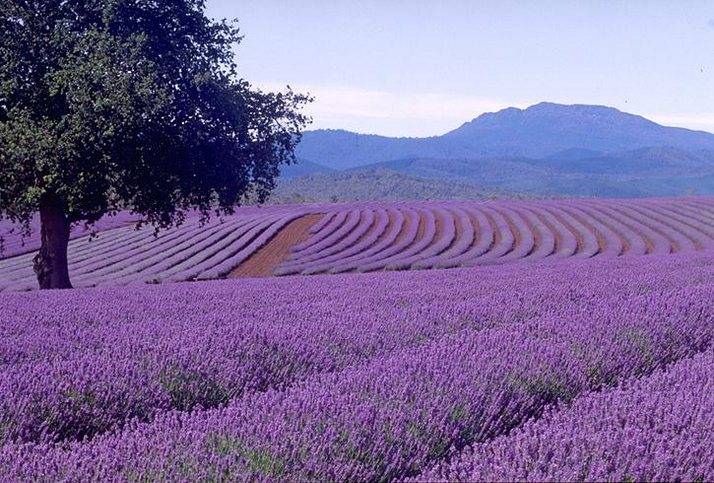
"The air is like a butterfly
With frail blue wings.
The happy earth looks
at the sky
And sings."
Joyce Kilmer
Sunday, 31 May 2015
IRELAND IN BRIEF
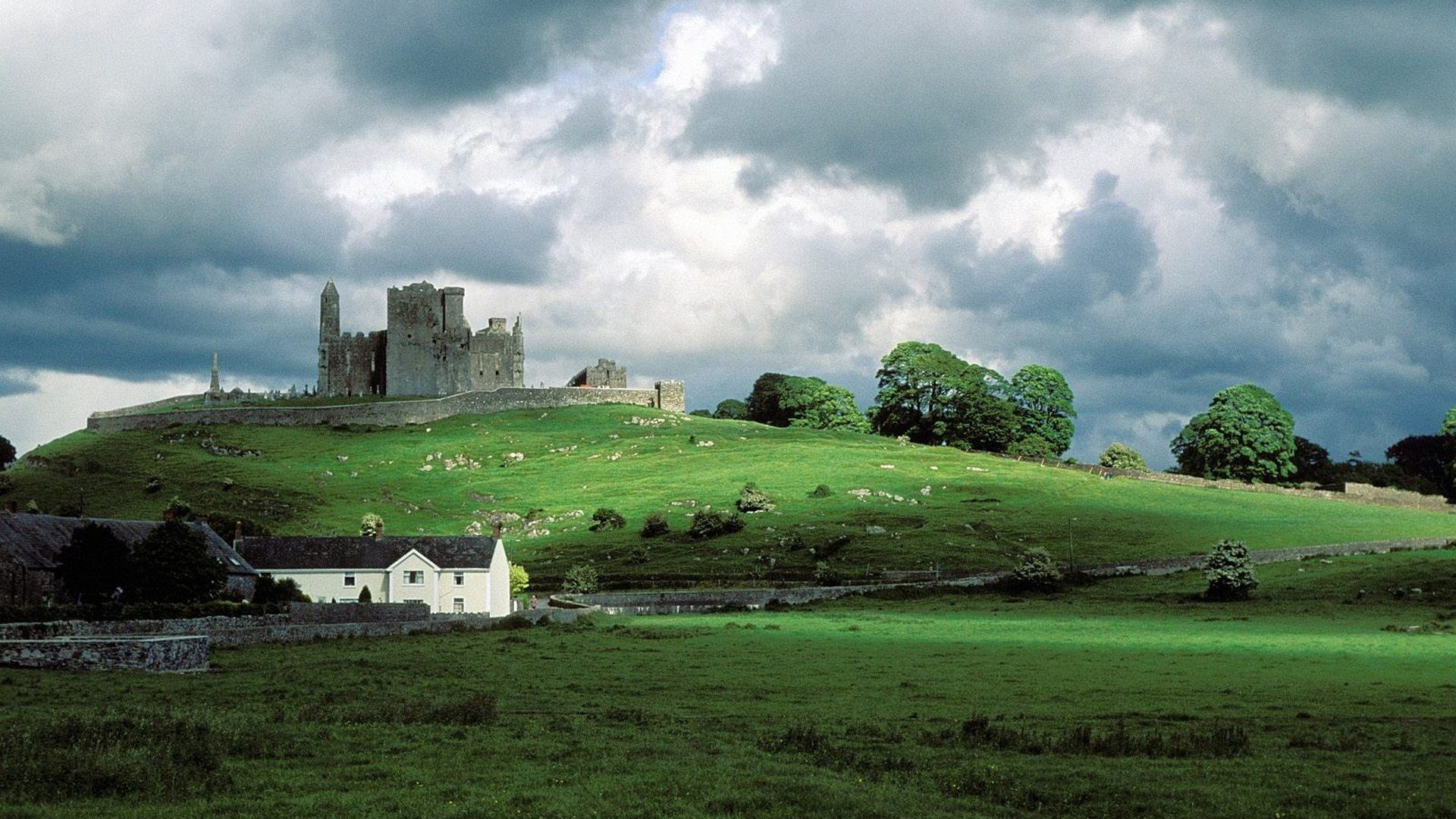


Click here to download a PDF booklet which provides a general overview of Ireland’s political,
economic and cultural life.
Friday, 29 May 2015
GEORGE ORWELL'S ANIMAL FARM


Here you
can read George Orwell's novel, published in 1945.
Animal Farm is an allegory,
which is a story in which concrete and specific characters and situations stand
for other characters and situations so as to make a point about them. The book
reflects events leading up to the Russian
Revolution of 1917 and then on into
the Stalinist era of the Soviet
Union.
The setting of Animal
Farm is a dystopia, which is an imagined world that is
far worse than our own, as opposed to a utopia, which is an ideal place or
state. Other dystopian novels include Ray Bradbury's Fahrenheit 451, and George Orwell's own 1984.
Here you can find a detailed analysis of this
novel.
Wednesday, 20 May 2015
A ROOM OF ONE'S OWN
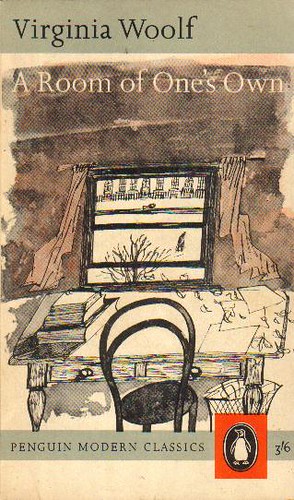
"I would venture to guess that Anon, who wrote so many poems
without signing them, was often a woman."
Virginia Woolf
Tuesday, 19 May 2015
REVISING VIRGINIA WOOLF

"Fiction is like a spider's
web, attached ever so lightly perhaps, but still attached to life at all four
corners. Often the attachment is scarcely perceptible."
Virginia Woolf
Sunday, 17 May 2015

Monday, 11 May 2015
WILFRED OWEN

Wilfred Edward Salter Owen
was born 18 March 1893 in Oswestry, Shropshire. After school he became a
teaching assistant and in 1913 went to France for two years to work as a
language tutor. He began writing poetry as a teenager.
In 1915 he returned to England
to enlist in the army and was commissioned into the Manchester Regiment. After
spending the remainder of the year training in England, he left for the western
front early in January 1917. After experiencing heavy fighting, he was
diagnosed with shellshock. He was evacuated to England and arrived at
Craiglockhart War Hospital near Edinburgh in June. There he met the poet Siegfried Sassoon, who
already had a reputation as a poet and shared Owen's views. Sassoon agreed to
look over Owen's poems and gave him encouragement.
Reading Sassoon's poems and
discussing his work with Sassoon revolutionised Owen's style and his conception
of poetry. He returned to France in August 1918 and in October was awarded the
Military Cross for bravery. On 4 November 1918 he was killed while attempting
to lead his men across the Sambre canal at Ors, France. The news of his death reached
his parents on 11 November, Armistice Day.
Edited by Sassoon and
published in 1920, Owen's single volume of poems contain some of the most heartbreaking English
poetry of World War I, including "Dulce et Decorum Est" and "Anthemfor Doomed Youth".
Here you
can find a detailed analysis of the poem "Dulce et Decorum Est".
Subscribe to:
Posts (Atom)